Spain Won the World Cup. The Watches Won the Month.
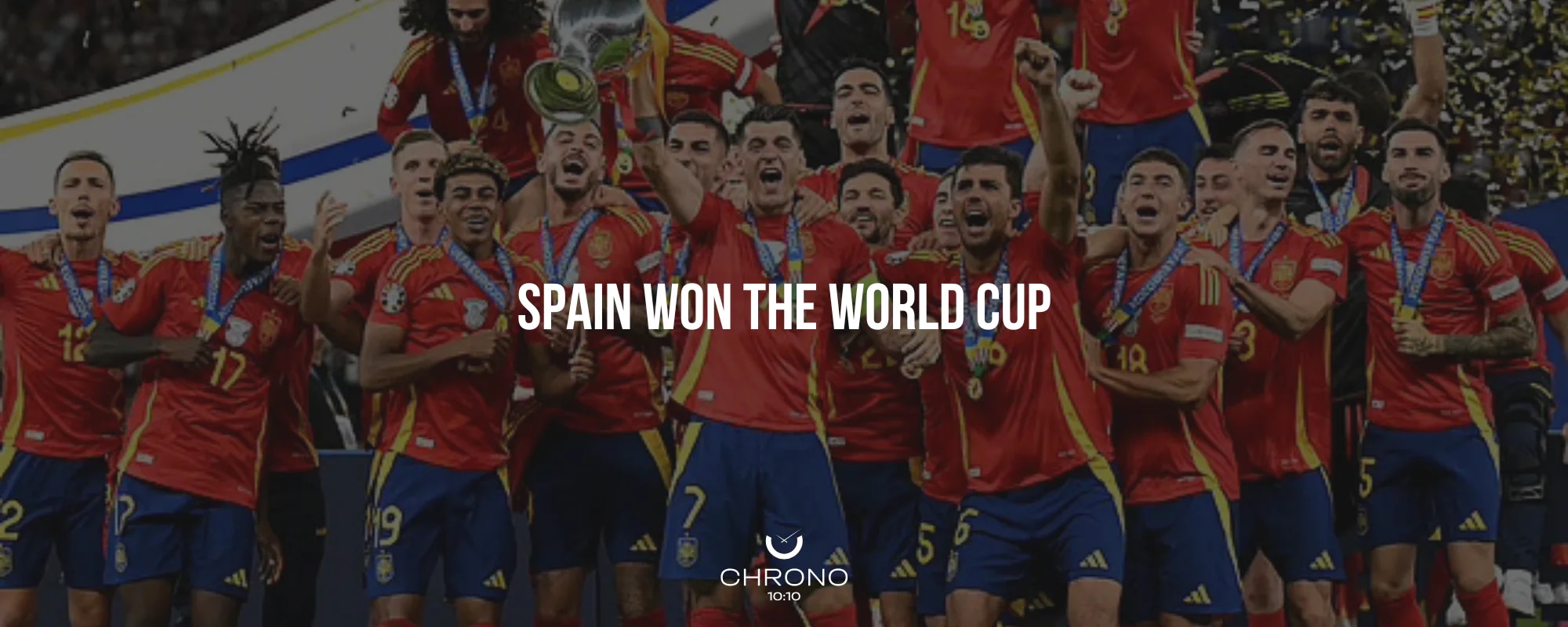
A few days ago in New Jersey, Spain beat Argentina 1-0 in extra time to win its second World Cup. Ferran Torres came off the bench and scored the only goal in the 106th minute, Argentina finished with ten men, and Lionel Messi, at 39, most likely played his last World Cup match. Spain let in a single goal across the whole tournament, which no champion has ever done before.
That's the football story, and it's a great one. But there was a second contest running all month, and if you follow watches, you couldn't miss it. Every arrival tunnel, every press conference, every VIP box turned into a wrist parade. So today, let's talk about what the players wore, and about the bigger shift behind it, because football just showed us that the luxury watch has become the world's default way of saying "I've made it."
The Tunnel Is the New Runway
Something changed in football over the past decade. The cameras used to wait for the kickoff. Now they wait for the team bus. Players walk from the bus to the dressing room in their best outfits, photographers shoot every wrist, and within an hour, watch blogs around the world have named every reference number. Watch spotting at big tournaments is now a genre of journalism in itself, sitting right next to match reports.
The World Cup turbocharges this, because it's the most watched event on the planet. Billions of people saw these arrivals. And unlike a fashion week or a film festival, football reaches every country, every class, every age. When the biggest names in the world's biggest sport all point at their wrists, the message lands everywhere at once.
Even the tournament itself is in on it. Hublot has been FIFA's official timekeeper since 2010, and every substitution board a referee holds up carries the brand's name.
The Wrists of the Tournament
Now the fun part. What did the stars actually wear?
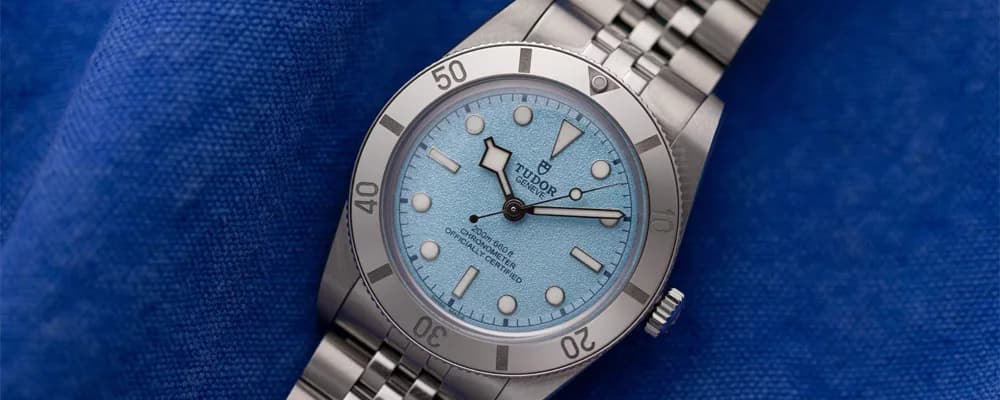
Messi set the tone before a ball was kicked. He arrived with the Argentine squad wearing an off-catalog Rolex Day-Date 36 in white gold with a natural turquoise stone dial and baguette sapphire markers.
Off-catalog means you can't order it, no matter how much money you bring. Rolex decides who gets one, and that fact is the whole flex. Later in the tournament he was also spotted with a Patek Philippe Nautilus flyback chronograph.
Cristiano Ronaldo went the opposite direction, maximum volume. Before Portugal's match against DR Congo he showed up in a Patek Philippe Nautilus haute joaillerie, reference 5811/1460G, a white gold piece buried under nearly 20 carats of diamonds, close to 1,400 stones in total. It's less a watch than a chandelier with a movement inside.
Kylian Mbappé, a longtime Hublot man, wore a limited Big Bang made for Dubai's Seddiqi family of watch retailers, released only last November. He then went and broke the all-time World Cup scoring record with ten goals, so that watch is now attached to history whether Hublot planned it or not.
Harry Kane brought two of the most talked-about Rolex and Patek pieces of recent years, including the playful Day-Date "Puzzle" dial. Germany's Antonio Rüdiger wore a Richard Mille RM 67-02, the featherweight model built for athletes. Neymar watched from the bench with a gem-set Rolex Lady-Datejust, and Argentina's Rodrigo De Paul won the collector vote with a vintage Audemars Piguet Bamboo, a strange and lovely piece from decades ago that money alone can't easily find.
Notice what's on that list. Not one of these is a marketing sample handed out by a sponsor. These are personal watches from personal collections, and several of them, the off-catalog Rolex, the vintage AP, are exactly the pieces serious collectors chase.
Why Watches Won This Job
Step back and ask why it's watches. Players are rich enough for anything. Cars, art, jewelry, houses (and they mostly have it all). Yet the wrist became the scoreboard, and I think there are three honest reasons.
First, a watch travels. You can't bring your Ferrari to a press conference, but a Nautilus sits in every close-up, every interview, every trophy photo. In the age of the phone camera, the watch is the only status object that's always in frame.
Second, a watch works in every culture. A great watch reads the same in Riyadh, in São Paulo, in Prague, and in New Jersey. No other luxury object crosses borders that cleanly, which makes it perfect for a sport whose stars come from everywhere.
Third, the best watches hold value, and famous people know it. An off-catalog Rolex or a rare Patek is a great way of parking some of your hard-earned money. When a 25-year-old with a short career and a huge salary looks for somewhere to put cash that also looks good on Instagram, the watch answers both questions at once.
Add those up and you get what we saw this month: the luxury watch as the one status symbol the whole planet reads instantly. Football didn't create that, but no stage proves it better.
What It Means for the Rest of Us
Every tournament like this pulls new people into the hobby. Someone watches Messi's turquoise dial flash by, searches for it, learns what off-catalog means, and six months later they're asking about their first serious watch. That's how this market grows, one shot at a time. It's also why the waitlists for steel sports models never get shorter.
Související články